Legal restrictions as well as growing public rejection have not led to the disappearance of the Ku Klux Klan. Instead, the movement has adapted (p. 3989) into fragmented, interconnected groups that use virtual platforms to operate more discreetly. Its use of digital technology is not new (p. 3984): Klan groups have long used websites to spread propaganda, recruit members and organise events.
Gaming spaces and immersive digital platforms extend these possibilities. There, users can discuss, interact, and take part in shared activities without meeting in person, reducing the risk of exposure. In the summer of 2026, for example, the Southern State Knights (SSK), a US-based and KKK-affiliated group, organised several gatherings on the virtual-reality platform VRChat. Describing itself as a “Youth Core of the Ku Klux Klan”, the group explicitly targets white Christian nationalist youth, both through its advertising and messaging. In a Telegram post published on 15 September 2026, it outlined its activist presence:
“This comes to the point of why being in the real and digital world makes all the difference when you can have an effect on both landscapes whether your [sic] putting up flyers or marching or debating someone in a chat room or opening someone’s eyes to the truth. We at the SSK like to say with positive assurance, slowly but surely we are evolving into real conventional activity whether it be education, pushing for IRL activity, attending meets, putting up flyers, and much more.”
SSK’s use of VRChat reflects a broader pattern documented by GNET, in which far-right groups use gaming spaces to support their activities. Previous research shows how extremist actors exploit a broad range of digital environments, including video games, online forums, and metaverse-related spaces. However, less attention has been paid to how VRChat’s specific social and immersive features can help organise extremist events and further disseminate far-right propaganda.
This Insight examines how extremist organisations use immersive social platforms to connect supporters worldwide and spread their ideology. VRChat is not only used to host or display extremist content but also actively supports social bonding, recruitment and radicalisation. Using the SSK as a case study, this analysis examines VRChat’s potential in extremist gatherings and considers ways to mitigate the associated risks. It argues that these events matter beyond the mere presence of ideological content. For participants, their value lies primarily in their social dimension: immersive spaces create a visible, immediate and collective experience that is far more difficult to generate in the real world.
Immersion, Interaction and Participation
VRChat is a social virtual-reality platform built around user-created worlds, customisable avatars, and live interaction. Its audience is substantial: figures released by the company in May 2026 reported a record of 158,192 simultaneously connected users. For extremist groups, the platform is significant not only for its global reach but also for its ability to uniquely design both a gathering place and participant identities. Customisable clothing, voice chat, gestures and spatial arrangements make affiliation visible and give an ideological gathering the appearance of a community.
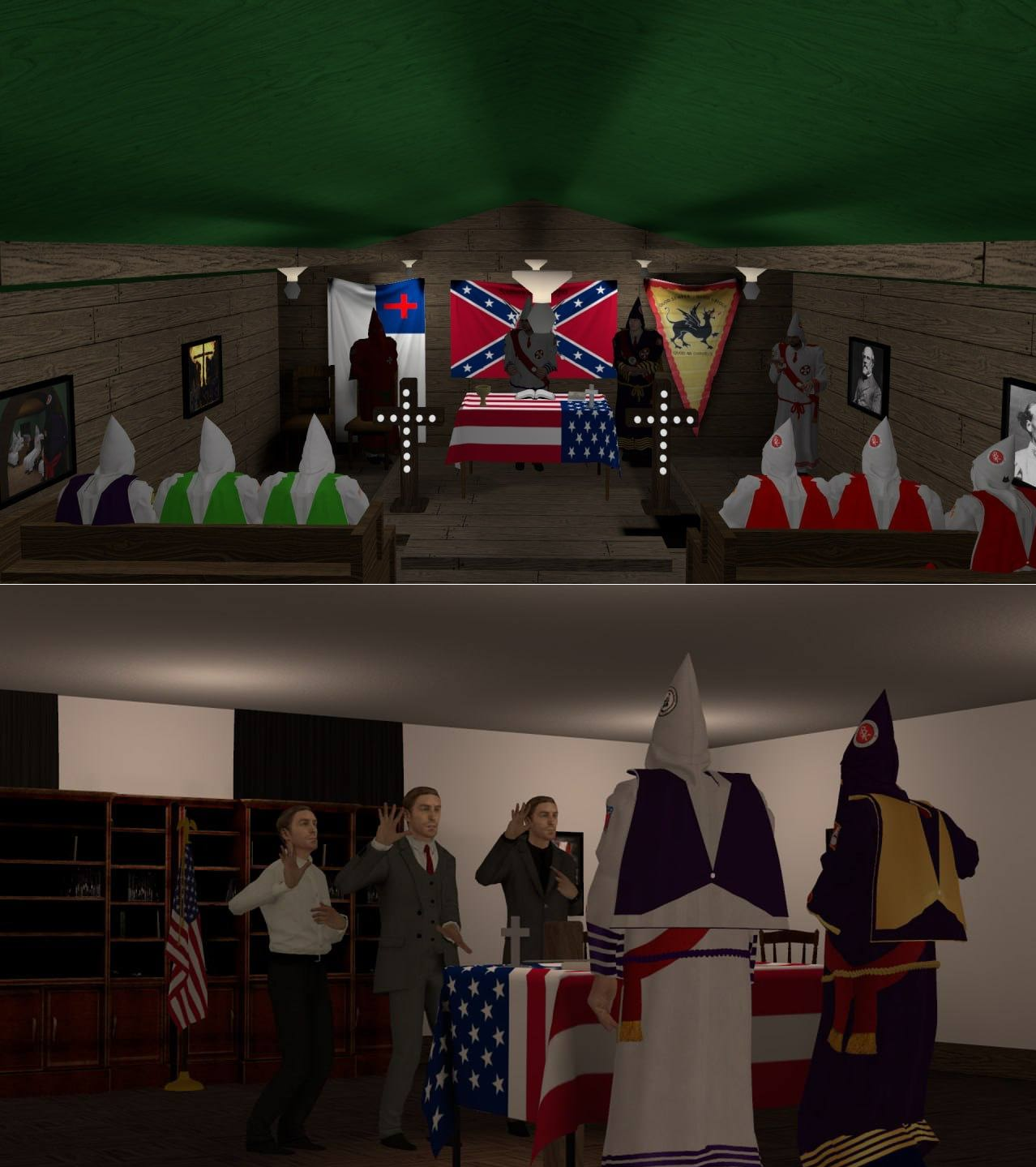 Figure 1: Scenes from an SSK event on VRChat (16 August 2026).
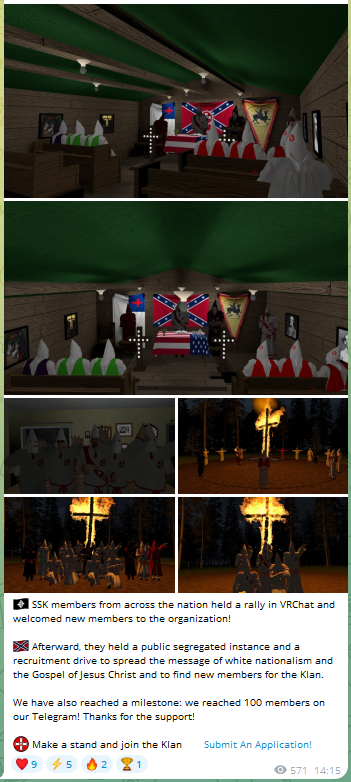 Figure 2: Telegram post about the same event (16 August 2026).
The use of these features for hateful expression predates the SSK’s events. In 2018, the Anti-Defamation League (ADL) documented racist avatar performances and the circulation of Nazi material on VRChat. Related research on Roblox has also identified avatar clothing bearing extremist symbols, showing that customisation can become a vehicle for ideological expression. Such examples show why avatar design cannot always be treated as merely aesthetic. The features of this shared digital environment therefore offer possibilities for collective organisation: matching outfits can signal members’ role, users can gather around a speaker, and voice chat can foster familiarity, giving a virtual meeting the character of a physical social event.
Like any social media post, an immersive rally can be ignored, but in this context, participants can help personally shape events through their avatars and conversations, potentially deepening their attention and involvement. Its message is not only seen or heard, but staged and experienced alongside others.
The platform, therefore, is not limited to serving as a channel for propaganda: it lets users express belonging through shared activities, rather than simply stating their affiliation in a profile.
The Southern State Knights’ Virtual Events
This case analysis is based on open-source observation of two SSK-linked VRChat events held in August and September of 2026, alongside screenshots published by the group on Telegram. The reviewed material reveals that SSK used these VRChat rooms to bring supporters together and welcome prospective members. By outlinking images of both events on Telegram, the group turned these meetings into propaganda for recruitment, presenting itself as an active and organised community.
The first event, held on 16 August 2026, was presented as a rally to welcome new members to the organisation. Around fifteen members from different parts of the US met in VRChat before hosting what they called a “public segregated instance”. The event serves a strategic purpose by promoting visibility, commitment, and expansion: its stated goal was to disseminate white-nationalist, supremacist ideas, as well as to welcome members who have been vetted beforehand through an application process on Telegram.
Screenshots show avatars dressed in the Klan’s traditional white robes and hoods, posing together in indoor and outdoor virtual spaces. In several scenes, participants gather around a burning cross while performing Nazi salutes. Other images show a virtual meeting room decorated with Confederate flags and Christian crosses. These elements are significant because they reproduce well-known KKK symbols and rituals, including ceremonial practices referred to as “Klankraft” and the use of the fiery cross (p. 29).
A second event on 11 September 2026 reinforced this pattern. Members organised what they called a “9/11 demonstration”. This timing is particularly important, as antisemitic conspiracy theories, claiming that Jews or Israel were responsible for the 9/11 attacks, continue to circulate in white supremacist circles.
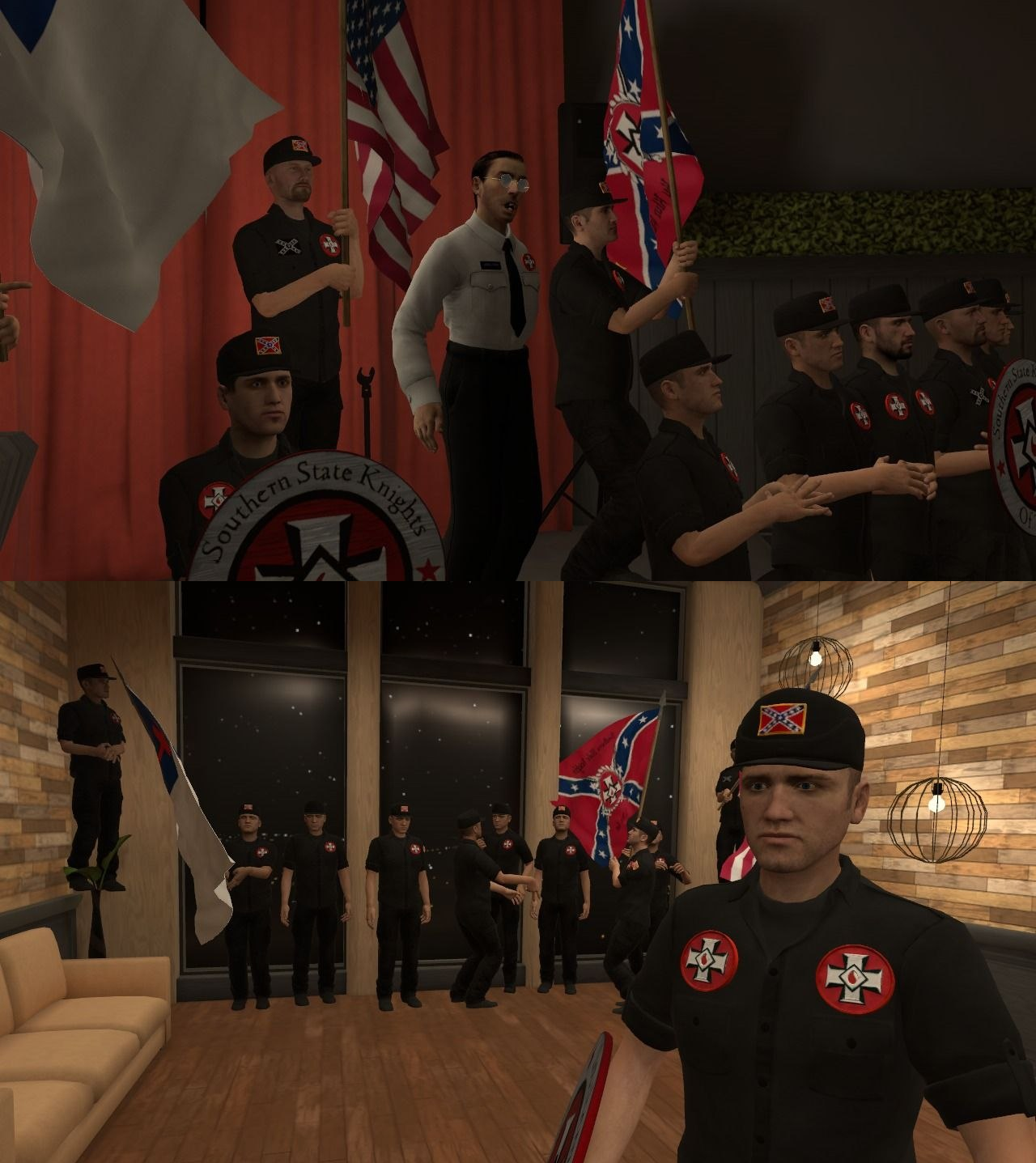 Figure 3: Scenes from a 9/11 SSK event on VRChat (11 September 2026).
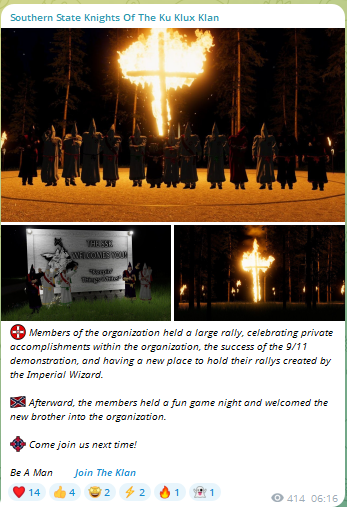
Figure 4: Telegram post about the same event (11 September 2026).
The event’s visual presentation made its white supremacist character more explicit. Matching dark shirts, black caps bearing SSK insignia, and participants standing in rows present the group as a disciplined collective. Confederate, American, and Christian flags surround the speaker along with the organisation’s emblem, placing its message within a display of nationalist and religious messaging. A separate image showed robed avatars beneath a welcome sign declaring “Keepin’ things white!”, a greeting that made racial exclusion the basis of belonging. These arrangements show that the avatars and virtual setting were not simply decorative: they helped stage the group’s identity and give participants visible roles.
These two events matter not simply because extremist symbols appeared on VRChat, but because the platform enabled SSK to stage repeated collective gatherings at a time when the Klan’s offline movement has substantially weakened. ADL describes the movement as having been in decline for at least a decade, due to small memberships, organisational instability and competition from other groups.
Against this background, VRChat allows geographically dispersed supporters to project a collective presence. The subsequent sharing of screenshots on Telegram gives these gatherings a second function, transforming participation into material that the SSK can use to promote its activities and present itself as an organised community. The objective, therefore, is to stage and show an appearance of cohesion, something that might prove more difficult to sustain in the real world.
From Symbolic Display to Social Experience
The importance of SSK gatherings goes beyond the appearance of extremist symbols on VRChat. This type of content has been persistently circulating online, long before the introduction of Virtual Reality platforms (p. 38). However, an immersive world fundamentally changes how users participate in these movements. Users do not passively scroll past a slogan or a video. Instead, they can enter a peer-crafted space built around hate-filled symbols, converse in real-time with other avatars, and actively take part in ceremonies.
The virtual setting does not make their meanings any less serious. The aesthetic of the space can contribute to legitimising the atmosphere: a stage, banners, uniforms, or a crowd of avatars make the event feel more realistic and immersive. Borrowing directly from KKK activities, users can wear “skins” (customised appearances for their digital avatars) modelled off KKK robes, flags, and brandish fiery crosses to mimic hateful behaviour with little consequence, using content that can be difficult to identify and control.
Moreover, research on VR links social presence (the feeling of being together with others) with both a sense of occupying the virtual environment and the perceived warmth of a friendship (p. 8). Applied to SSK, these findings suggest that virtual gatherings may matter not only for the ideology they convey but also for their potential to make participants feel part of a group, possibly lowering barriers to involvement. This interpretation aligns with RAND’s research, which shows that digital communication can reduce costs, overcome geographical barriers, facilitate the integration of new members, and make participation easier (p. 3-5). Users can enter gatherings through pseudonymous avatars without publicly associating their offline identity with the group. This allows prospective members to observe and interact without initially committing to its extremist ideology. Such low-exposure contact makes these immersive platforms dangerous: they can facilitate a gradual process of involvement, in which users observe, return, build relationships, and may slowly become more receptive to the group’s ideas.
Forthcoming moderation approaches to VRChat require an informed understanding of both the full range of extremist activity and the platform’s distinctive features.
Moderation Responses for Safer Platforms
The SSK case shows that current moderation strategies on immersive virtual platforms must be reconsidered. The issue is not the absence of rules against extremist activity, but the gap between these rules and their enforcement in practice. VRChat’s Community Guidelines prohibit racist, hateful, and discriminatory content or behaviour, as well as the organisation, promotion, or support of violent extremism. Its Creator Guidelines apply these restrictions to user-generated worlds, avatars, and other forms of content. Users can mute, block and report accounts, groups, and alleged violations to VRChat’s Trust & Safety team with screenshots and recordings. In September 2025, VRChat had acknowledged that harmful behaviour often goes unreported because users find reporting processes unclear. Subsequent guideline updates do not, by themselves, resolve these practical challenges.
First, VRChat should clarify the notion of violent extremism and translate this definition into concrete examples of prohibited conduct. Its guidelines identify “the glorification of violent events, perpetrators of said events or acts, or similar behaviors” as prohibited conduct but offer little guidance on where the boundaries lie. Concrete examples, such as distinguishing educational discussion of a violent attack from celebrating its perpetrator as a hero, would help users understand what to report and give moderators a more precise basis for assessing events.
On VRChat, the challenge is also that an extremist event is rarely limited to a single element. In the SSK case, the group’s activity manifests through a combination of worlds, KKK-associated symbols, uniformed avatars and ceremonies. Considered separately, a Christian flag, a burning cross, or a uniform may be ambiguous and require contextual assessment. Moderation must therefore complement item-level reporting with an event-centred assessment.
When reports concern a live gathering, platforms should also ensure that moderators can assess them in context. Rather than handling each report alone, they should consider factors such as the world’s name and description, recurring symbols, the nature of discourses, and links to other external spaces including social media or closed chatrooms. When multiple indicators arise, reports from the same instance should be grouped together with relevant timestamps and audiovisual evidence, then rapidly referred to a human moderation team. This would make it easier to distinguish isolated offensive behaviour, provocation, satire, and a deliberately organised extremist gathering that breaches platform rules.
Such contextual assessment also requires training moderators to recognise specific forms of communication. Ideology may be expressed not only through text but also through avatars, clothing, gestures, spaces, music, flags and voice chat. Training should help reviewers recognise repeated patterns across these elements, particularly when they accompany recruitment efforts, dehumanising language or threats. These measures must remain targeted and human-reviewed. Continuous surveillance of all activities would create substantial risks for privacy, accuracy, and freedom of expression. The goal is not generalised surveillance, but to ensure that platform rules can be applied to the full context of a virtual rally.
Once identified, extremist online spaces can be removed, as examples from other platforms illustrate. Discord regularly removes white supremacist servers, while Roblox removed an extremist space identified in November 2025. Such interventions can disrupt spaces, but removal alone does not provide a lasting solution when those groups can recreate them or migrate elsewhere. For VRChat, removing worlds or accounts should therefore form part of a broader moderation approach capable of recognising recurring patterns and/or organised extremist activity.
_
Emma Montagny is a French Erasmus Mundus scholar pursuing the International Master’s in Advanced Research in Criminology (IMARC) at Erasmus University Rotterdam, Ghent University, and Middlesex University. She holds a bachelor’s degree in psychology and philosophy, during which she researched the role of online psychological manipulation in radicalisation processes. Her research interests include terrorism, extremism, radicalisation, political communication, and media coverage. Her current thesis examines the construction of the “ideal” terrorist attack through Nils Christie’s concept of the “ideal victim,” focusing on media framing and policy responses to terrorist attacks in Europe.
_
Are you a tech company interested in strengthening your capacity to counter terrorist and violent extremist activity online? Apply for GIFCT membership to join over 30 other tech platforms working together to prevent terrorists and violent extremists from exploiting online platforms by leveraging technology, expertise, and cross-sector partnerships.
The views and opinions expressed in this Insight are the authors’ own and do not necessarily reflect those of GNET or any of its partners.
