

In Spain, a recent study indicates that young men are showing an inclination toward far-right ideologies, often accompanied by an attraction to the period of Francisco Franco’s dictatorship, established following the Spanish Civil War (1936–1939) and lasting until 1975. This admiration is increasingly visible on social media, where content glorifying Franco has gained popularity, often relying on disinformation about different aspects of the regime. Since 1986, support for Francoism in Spain had been steadily declining; however, recent data indicate a reversal of this long-standing trend, marking the first recorded increase in support since then.
Numerous social media trends have become popular, further amplifying this tendency. The popularity of Franco-related content is also linked to the wider use of historical revisionism by neo-fascist and neo-Nazi groups in Spain, which frequently share online content that makes explicit use of fascist and Nazi symbolism. The algorithmic amplification of this content not only reinforces these narratives but also creates opportunities for recruitment and radicalisation among young audiences, exposing them to broader extremist online networks.
This Insight examines how Francoist-related content and Franco’s image are being reintroduced and reinterpreted on Spanish social media, analysing the narratives, formats, and trends involved, as well as their implications for radicalisation among far-right extremist groups in Spain.
The Use of Francoist Symbolism Online
Online content shared by accounts promoting Franco often makes explicit use of Francoist and fascist symbols. This includes, for example, the Spanish flag used during the Franco dictatorship, featuring the Eagle of Saint John the Evangelist, as well as symbols of the Spanish Falange, such as its yoke-and-arrows emblem. The depiction of The Valley of Cuelgamuros – until 2022 known as the Valley of the Fallen— is also widespread. This site serves as a key symbol of Francoist memory and was Franco’s burial place until his exhumation following the implementation of the Historical Memory Law (renamed the Democratic Memory Law in 2022).
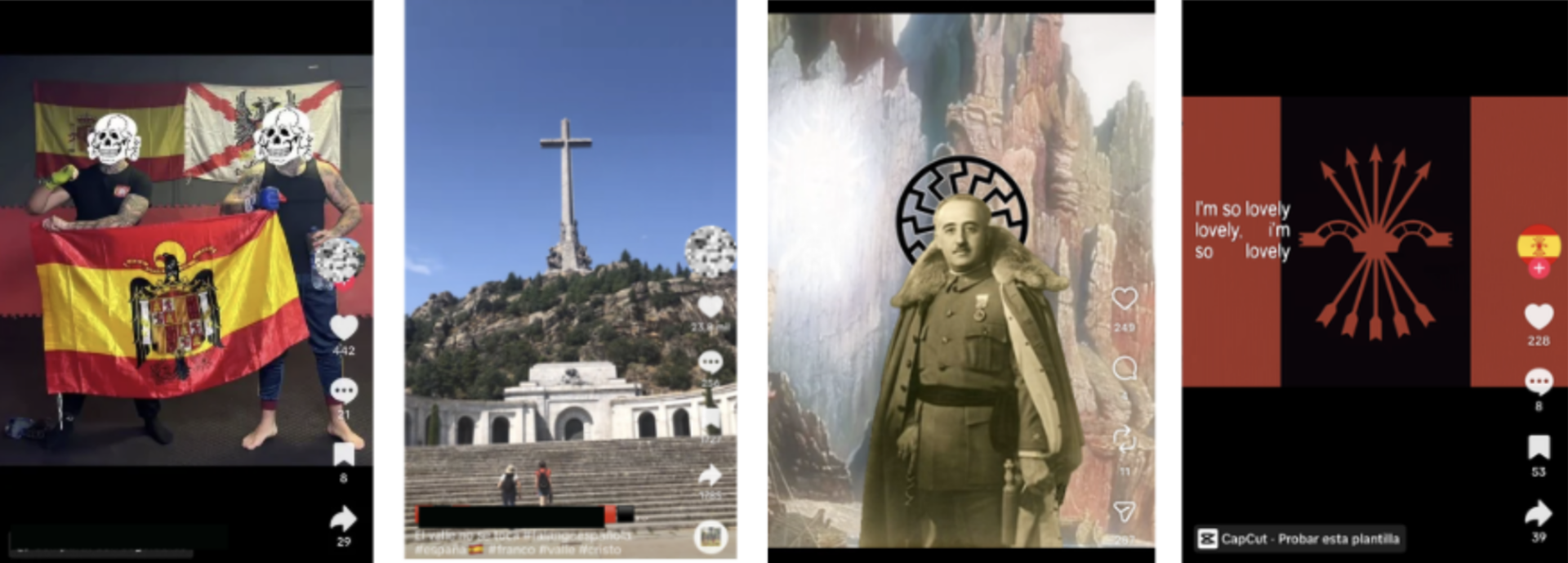
Figure 1: Use of various Francoist and neo-Nazi symbols on TikTok. From the left: 1. the flag with the Eagle of Saint John and the flag with the Cross of Burgundy, shared by members of the neo-Nazi group Núcleo Nacional 2. Valley of Cuelgamuros, Franco’s former burial site and a place of pilgrimage for various far-right groups. 3. Franco with the symbol of the black sun (Sonnenrad). 4. The emblem of the Spanish Falange.
The regulation of Francoist symbolism presents a challenge in both offline contexts and digital spaces. In Spain, their display is prohibited in public buildings, public administration, or place names, while their private use is not regulated. Furthermore, there is a historiographical debate over whether Francoism can be classified as pure fascism or as an authoritarian far-right regime with fascist elements. This might create difficulties for social media platforms’ internal policies. Platforms such as TikTok and Meta do not explicitly reference fascism in their policies on hateful and extremist ideologies. While Meta’s publicly available community guidelines include Nazism, they do not mention fascism, and the same applies to the policies of X. None of these social media platforms explicitly address the moderation of content glorifying Francoism. However, common elements can be observed across content praising Nazism, fascism, and Francoism, such as the frequent use of common symbols or Nazi/fascist salutes, which could violate internal policies on hateful ideologies if it is used to promote them.
The Role of Music
Music plays a central role in the content praising Franco. Francoist anthems and military marches, such as Cara al Sol, the anthem of the Spanish Falange composed in 1935 and adopted as the “national song” of Franco’s regime in 1937, are widely used. Cara al Sol appears in 8,459 videos on TikTok as background audio at the time of writing. The use of such music is not limited to Francoism; the Nazi march Erika is also very popular, and it has been used in at least 14,024 TikTok videos. In addition, fragments of speeches by key Francoist figures, including Franco himself, are frequently used, alongside slogans such as “Spain, one, great, and free,” a main slogan of Francoist ideology that encapsulated the myth of an eternal and indivisible Spain.
There is also a trend in which AI-generated videos depict contemporary popular artists appearing to sing Cara al Sol, or show Franco alongside well-known rappers or reggaeton artists. Similarly, romantic songs are often used as background music with images of Franco that portray him in an idealised way, emphasising affection or nostalgia.
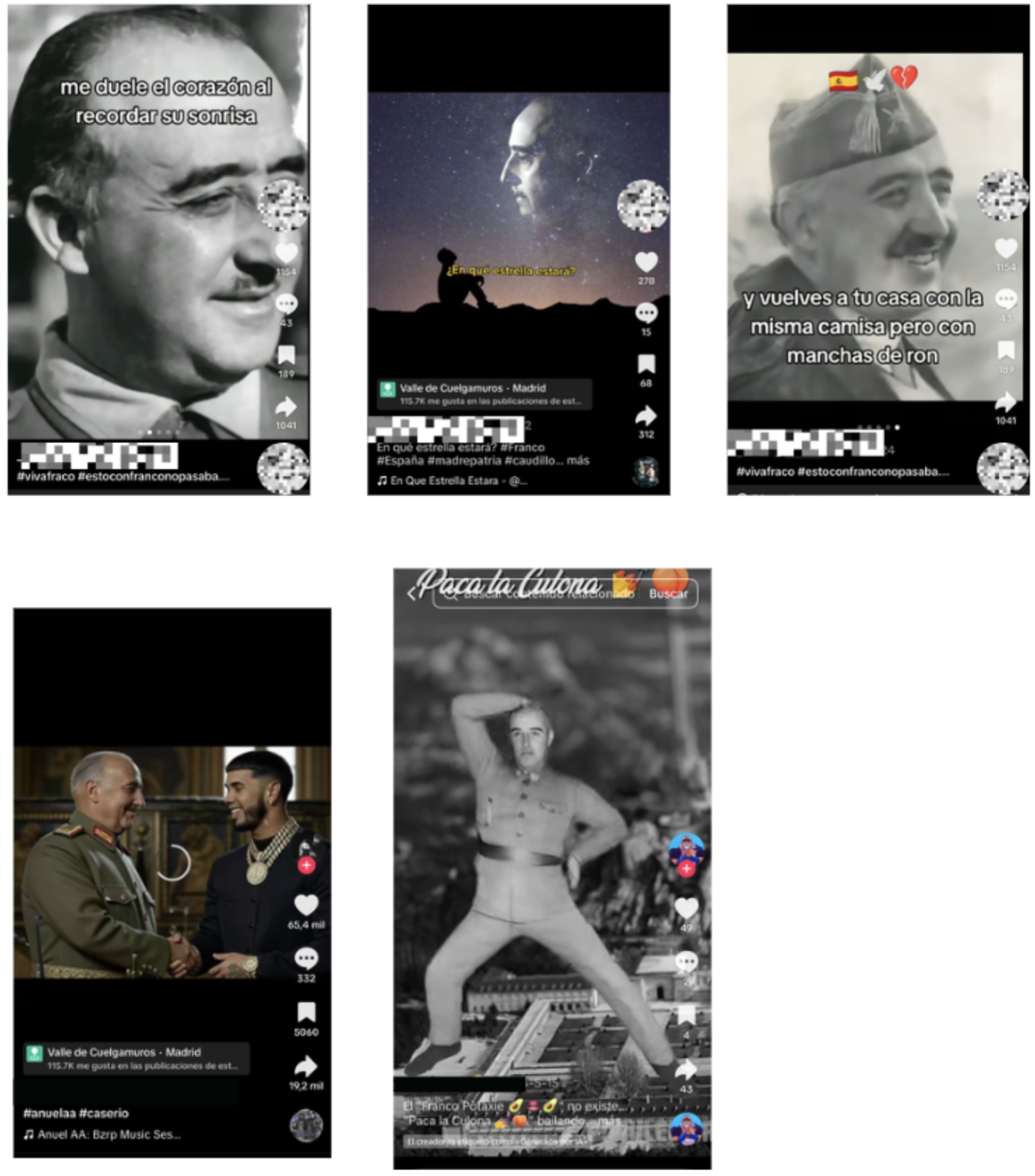
Figure 2: Several musical trends featuring Franco. Above: The use of romantic song lyrics with images of the dictator. Below: AI-generated content featuring Franco dancing or with famous artists.
Finally, RAC (Rock Against Communism) music that pays homage to Francoism is also used. One of the most popular songs is División Azul (Blue Division) by the group Toletum, which glorifies the Spanish unit that fought alongside the German Nazi army during World War II. This song has a notable presence on social media, with 250 reels on Instagram and 3,709 videos on TikTok. Both TikTok and Instagram have accounts dedicated exclusively to glorifying this unit with photos, press clippings, music, and AI-generated content. The name of one of the most popular groups in the Spanish RAC, División250, is a direct reference to the unit.
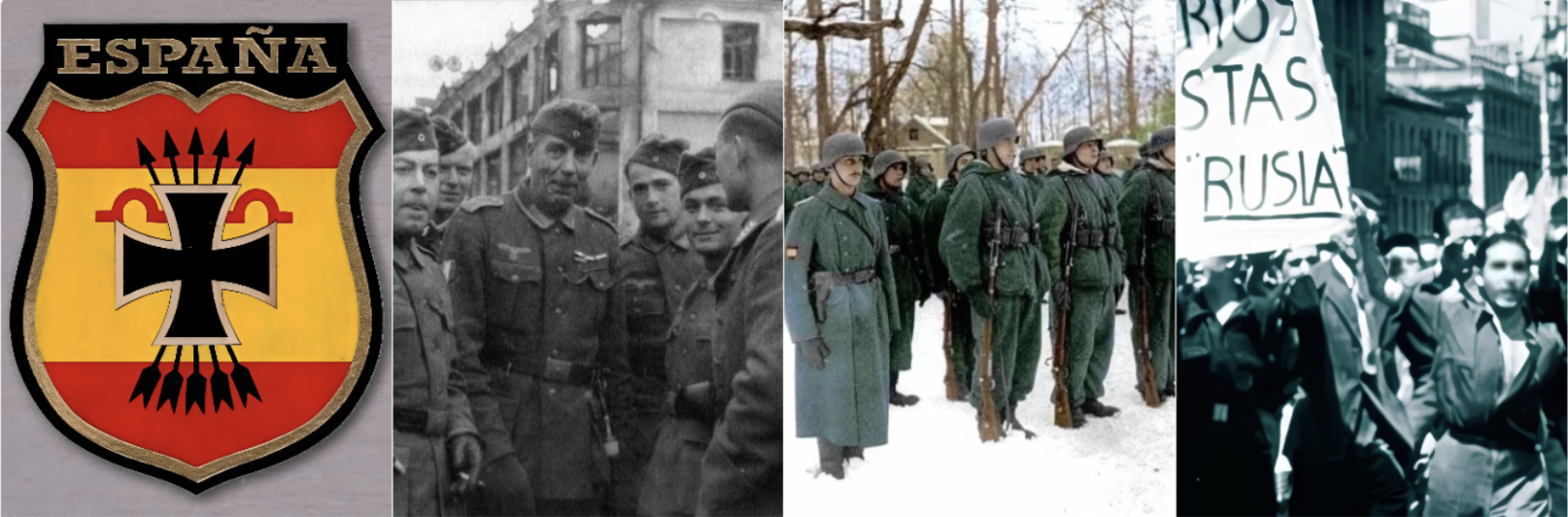
Figure 3: Feed of one of the Instagram accounts dedicated to the Blue Division.
Franco Fridays and the Memeification of Far-Right Extremism
Spanish neo-fascist content that glorifies the figure of Franco frequently relies on humour, satire, and memes. Examples include a trend in which Spanish teenage girls post TikTok videos joking that they would like to “receive” Franco as a Christmas gift; adaptations of well-known far-right memes—such as Pepe the Frog—using Franco’s image; AI-generated images of Franco dancing; and the “Franco Fridays” trend. The latter is part of a broader online trend of dedicating a specific day of the week to posting content about dictators on social media. The trend references the “Fascist Saturdays” established by Mussolini in 1930s Italy. Fridays are dedicated to posting online content on Franco (Franco Fridays) and Hitler (Führer Fridays).
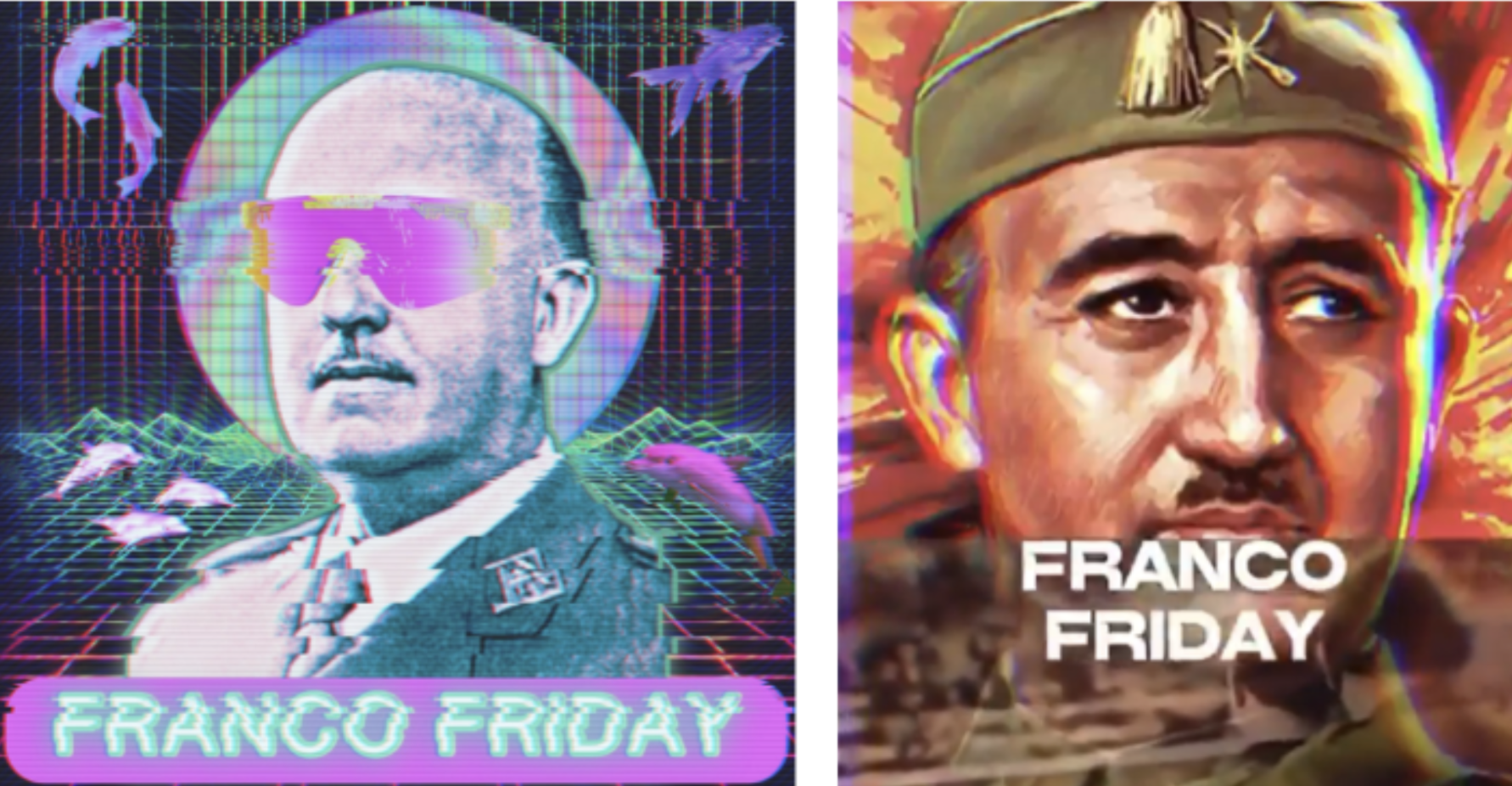
Figure 4: Content related to the Franco Fridays trend identified on X.
This humour-based content reflects a broader trend in the use of satire and memes in far-right discourse on social media, where communication is increasingly visual and less explicit. Memes within far-right online ecosystems serve multiple functions and can act as a gateway to online radicalisation, which consists of three stages: normalisation, acclimation, and dehumanisation. Exposure to neo-fascist content packaged as humour plays a key role in normalisation, and it familiarises users with extremist ideas while allowing them to distance themselves from explicit endorsement.
Memes enable the spread of extremist messages, values, disinformation, and propaganda in subtler ways through irony and sarcasm, and allow such content to reach younger audiences, for whom memes and GIFs are central to online communication. Memes and humorous content play a key role in the strategic mainstreaming of neo-fascist ideology. This process refers to attempts by extremist actors to influence public discourse in favour of their ideas and, over time, either increase the appeal of their ideology to a wider audience or reduce public reactance toward it.
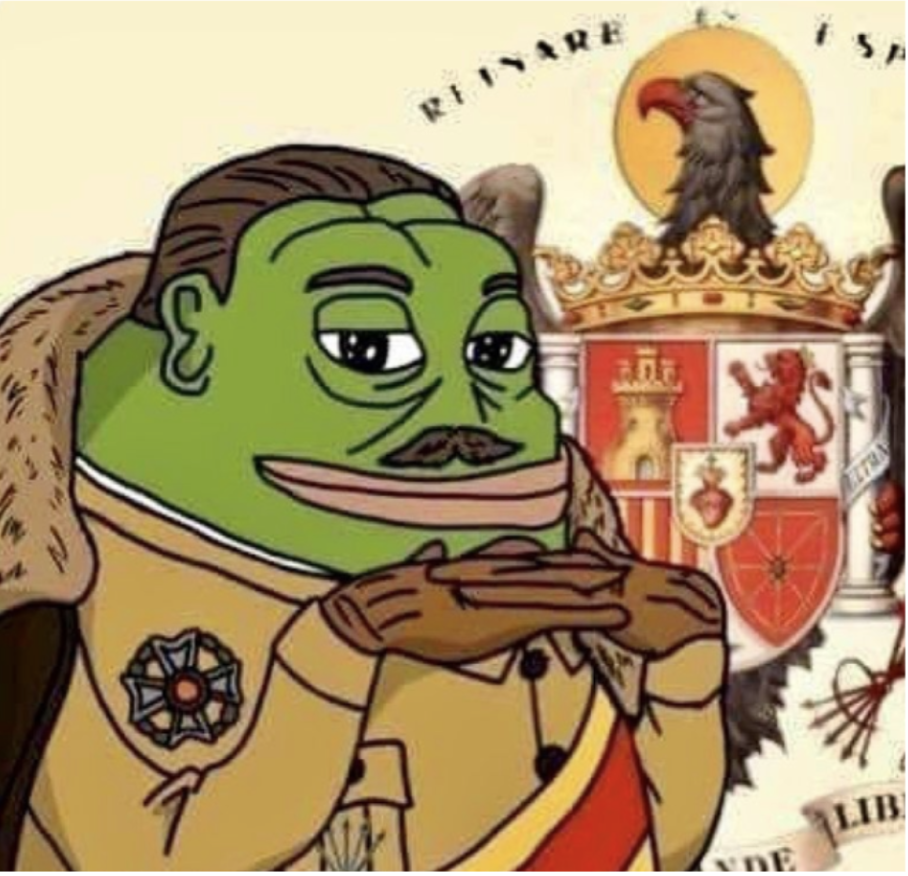
Figure 5: Pepe the Frog, a famous far-right meme in a Francoist version. Source: X
Given the popularity of humorous content about Franco among young Spanish users, such content can expose them to increasingly extremist material, further amplified by algorithmic systems, as various neo-Nazi groups in Spain frequently share content that glorifies Francoism. At the same time, Franco-related humour is also used to promote neo-fascist merchandise, which often constitutes an important source of funding for far-right groups. In this way, both products featuring fascist symbolism and humorous depictions of Franco contribute to making this ideology more appealing. For instance, TikTok Shop features products that appear in videos shared by accounts posting Franco-related content.
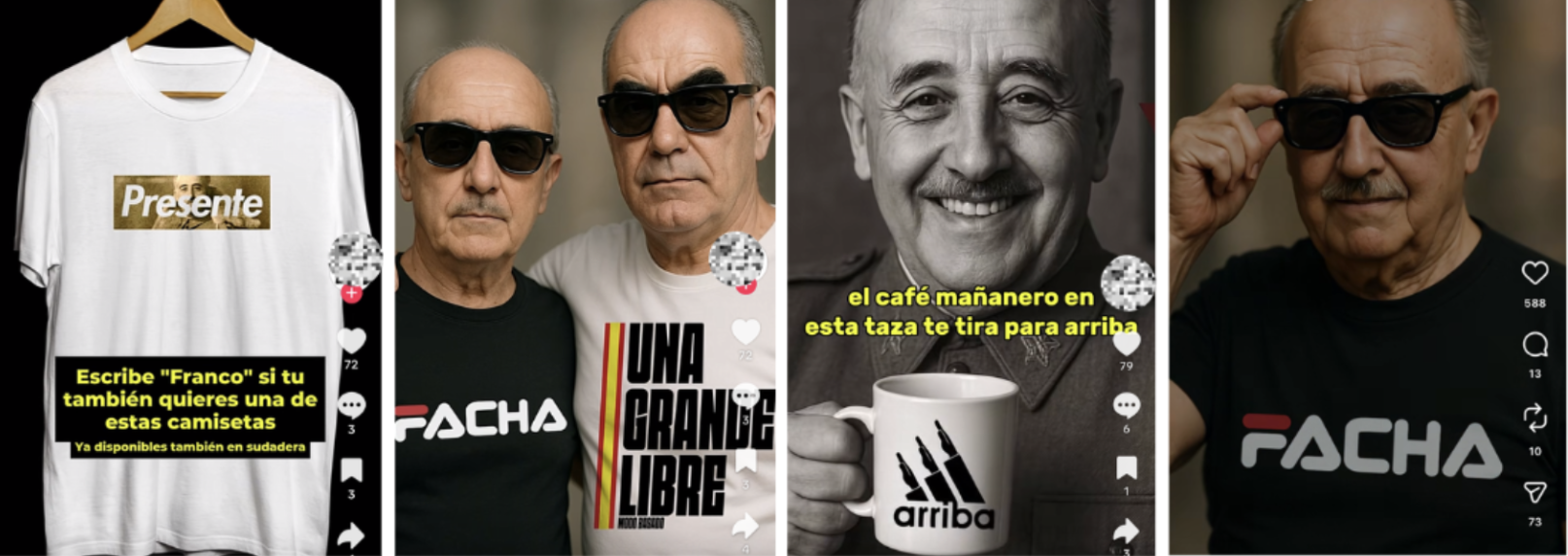
Figure 6: Fascist merchandise with AI-generated content identified on TikTok.
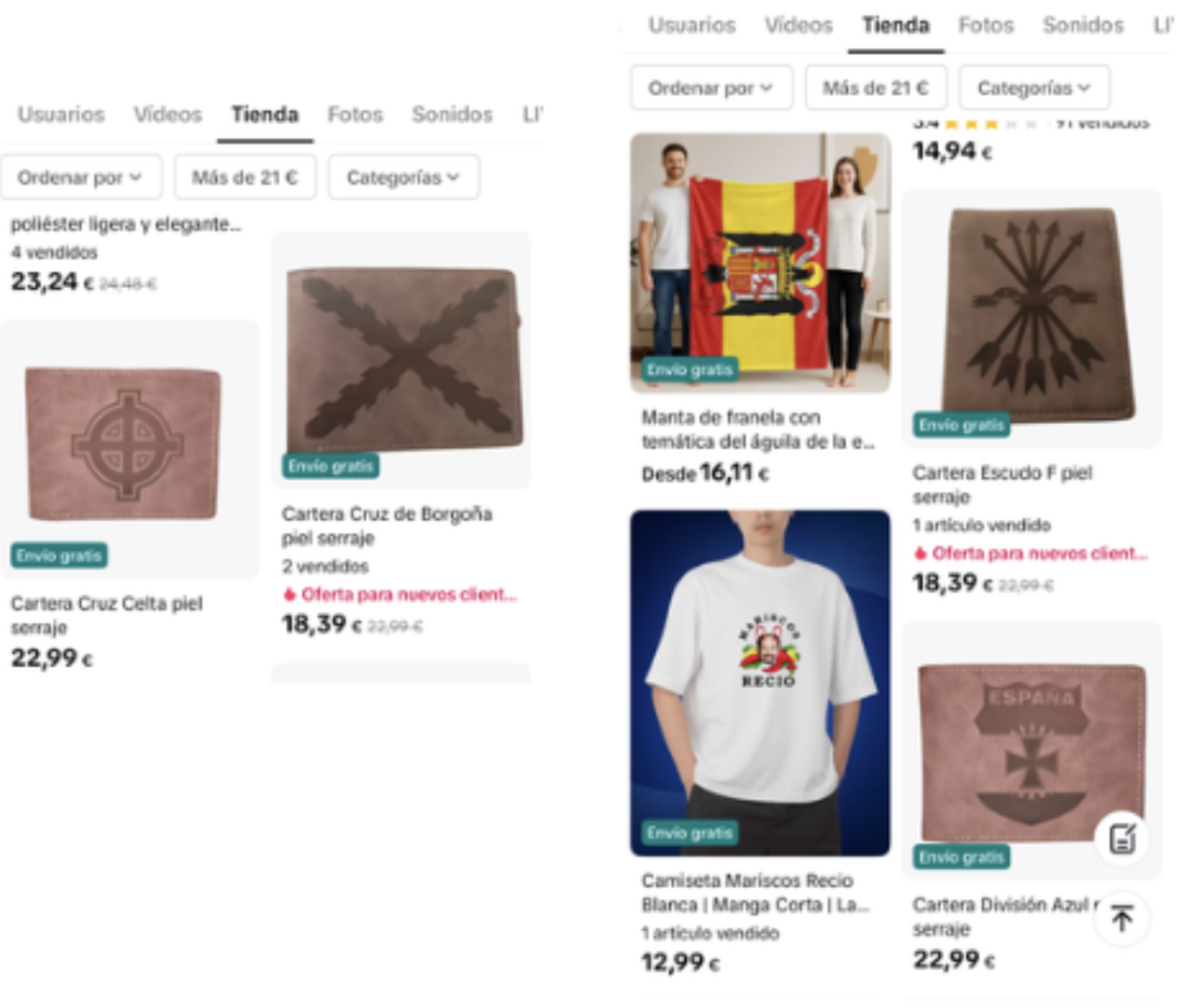
Figure 7: Merchandise with far-right symbolism available in the TikTok shop.
Memes related to Spanish fascism pose moderation challenges on social media due to the legal complexities surrounding their offline display. Furthermore, when packaged as humorous content and ironic ambiguity, such symbols often bypass moderation filters. Neo-fascist online ecosystems frequently employ coded language, or dog whistles, which may include acronyms or emojis. This language is difficult to detect and is understood within the group but not by outsiders, and allows extremists to hide in plain sight and identify like-minded individuals. For example, some users employ the term “CAFE,” which at first glance appears to mean coffee, but within these circles refers to “Camarada Arriba Falange Española” (Comrade Up, Spanish Falange), serving as a covert way to signal support for Francoism and recognise one another as neo-fascists.
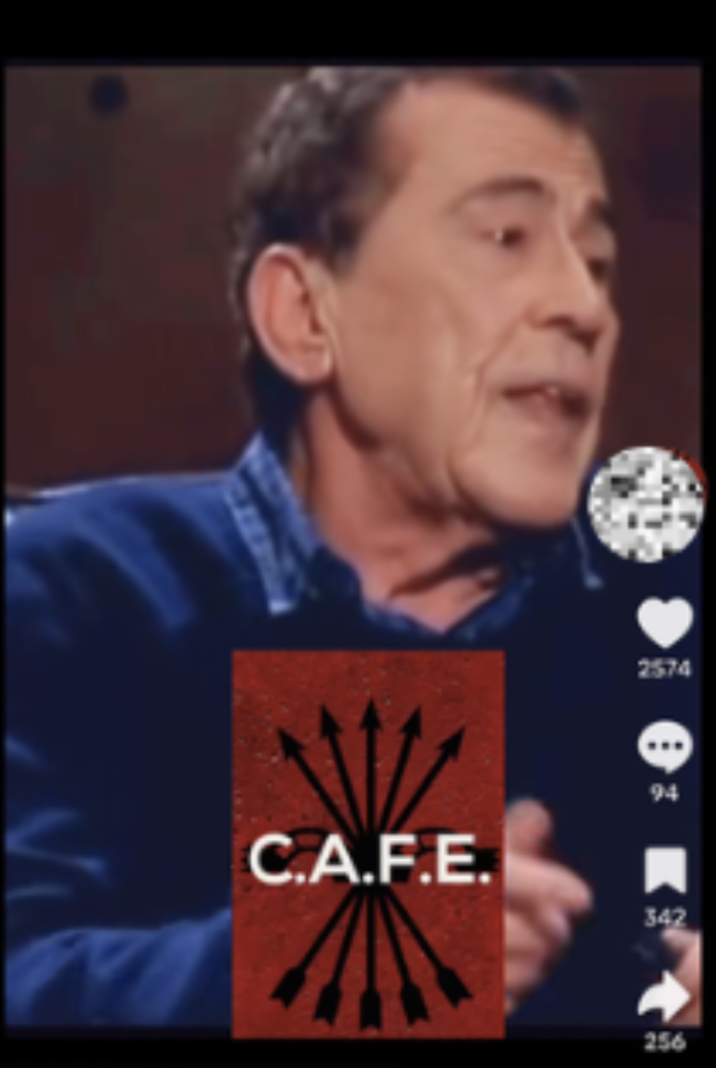
Figure 8: Example of the use of the acronym CAFE together with the Falangist symbolism. Source: TikTok.
Historical revisionism
One of the most prevalent narratives within the Spanish online neo-fascist ecosystem is historical revisionism. For the Spanish far right, contemporary society is framed as being in decline, and an idealised, imagined past must be restored. This reflects a broader normalisation of authoritarian symbols and fascist discourse online, where Franco is depicted as a figure of order, stability, or national pride, detached from the historical realities of his regime. These narratives downplay or reframe the violence and repression of the dictatorship, presenting the past as something that can be “brought back” to legitimise essentialist, racist, ethnocentric, nationalist, and heteronormative beliefs.
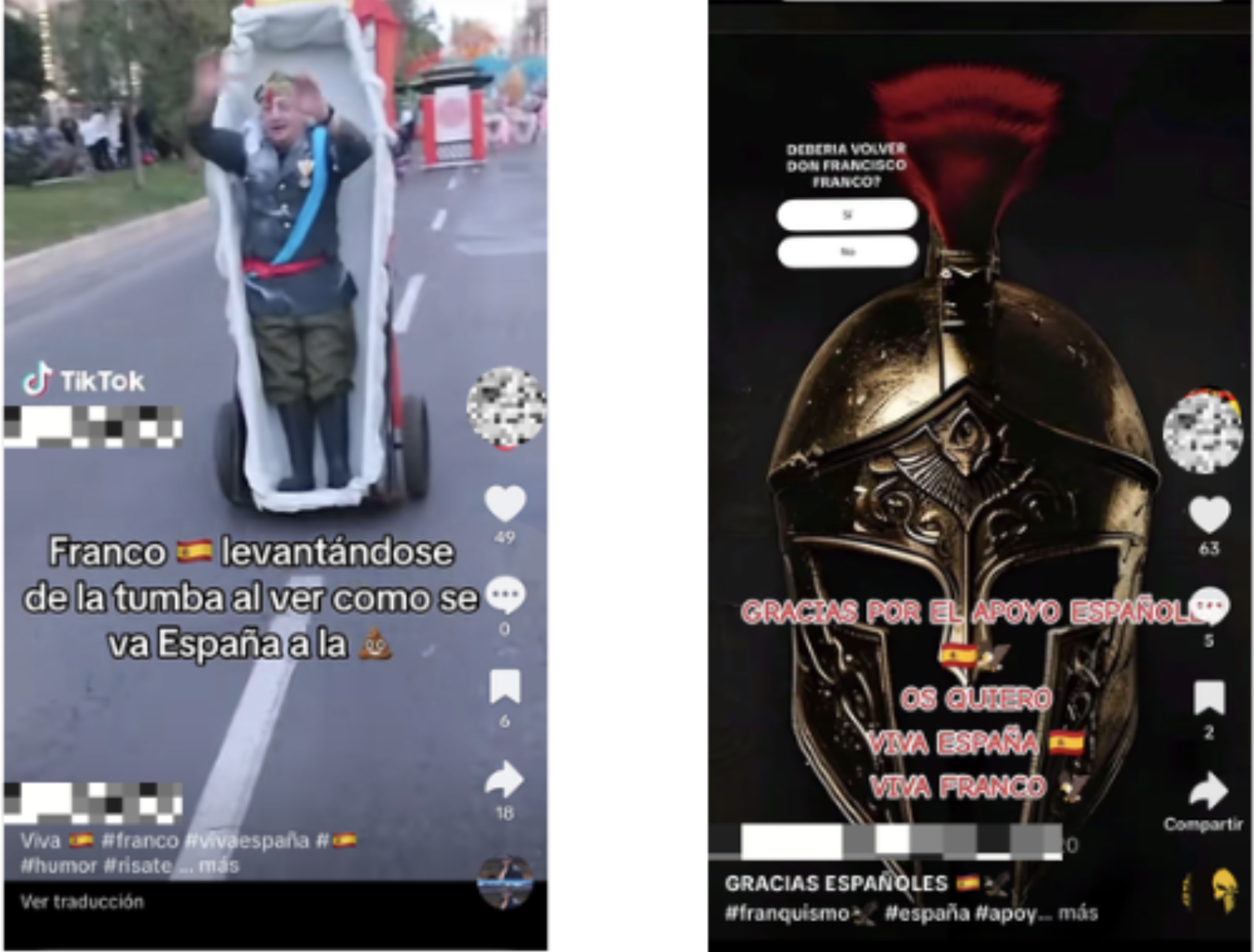
Figure 9: TikTok videos expressing longing for Franco and asking if he should return (right) and joking that Franco would rise from his grave if he saw how Spain is today (left).
Historical revisionism in these circles often relies on historical denial, selectively highlighting or excluding events to create a pseudo-historiography focused on restoring a supposed national pride rather than offering accurate accounts of history. This includes glorifying Spain’s imperial past, such as the conquest of Latin America or the Reconquest—a series of campaigns by Christian polities to reclaim Muslim-controlled territory in the Iberian Peninsula from the eighth to the fifteenth centuries—which is frequently invoked to promote Islamophobic and white supremacist narratives or the idea of remigration. In online neo-fascist discourse, the Reconquest is often symbolically linked to contemporary far-right agendas, creating a historical continuum that frames current far-right objectives as a modern version of medieval struggles.
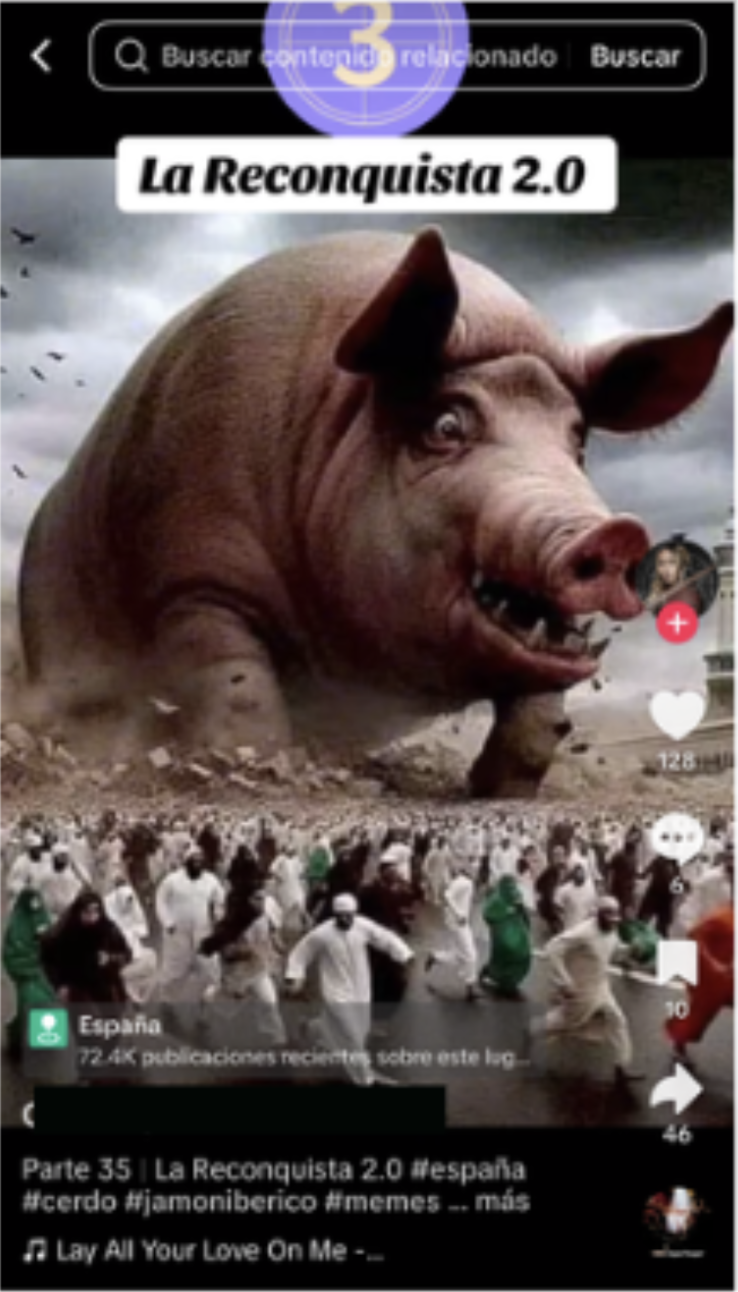
Figure 10: Content referencing the Reconquista 2.0 with an Islamophobic message. Source: TikTok
Accounts that praise Franco frequently reference the Reconquest, commemorate battles in which Spaniards defeated Muslim forces, or glorify the expulsion of Jews from the Iberian Peninsula, while drawing parallels with the idea of reclaiming territory by portraying Franco as having ‘recovered’ Spain from left-wing forces. The Spanish Civil War and Franco’s subsequent dictatorship are portrayed as a war of liberation, ignoring Francoist crimes, and emphasising the restoration of order and national glory as the only solution to Spain’s contemporary problems. These accounts also employ the Cross of Burgundy, a form of the Saint Andrew’s cross of medieval origin and appropriated by neo-fascist groups.
Historical content often includes disinformation about the Franco era, praising the dictator for social achievements such as access to healthcare, pensions, or housing. Considering current challenges faced by young people in Spain—high unemployment rates, delayed economic independence, and a housing crisis—this creates a fertile environment for engagement with far-right positions or neo-fascist groups that share this type of content. Neo-Nazi and neo-fascist groups, such as Núcleo Nacional (National Core)—which has gained traction in Spain over the past year—frequently publish content glorifying Franco and using related symbolism. In this case, the links between neo-Nazi and Francoist positions are particularly clear, and online exposure to pro-Franco content on social media creates pathways for more engagement and recruitment with organised far-right extremist groups.
Conclusion
This analysis has shown how content glorifying Franco on social media is gaining popularity among young audiences in Spain and how it can act as a gateway to radicalisation and engagement with far-right extremist groups. This content often relies on humour, memes, and AI-generated media, where irony plays a key role in normalising far-right discourse while also posing challenges for content moderation. Content frequently uses fascist symbols, slogans, and narratives that glorify the dictatorship while downplaying its violence and repression, often supported by disinformation about different aspects of the regime.
The lack of explicit moderation policies addressing Francoism and fascist symbolism on major social media platforms creates challenges for controlling their dissemination. The growing popularity of Francoist content online highlights a concerning resurgence of far-right narratives in Spain and underscores the importance of closely monitoring digital ecosystems and understanding how humour and historical revisionism operate in processes of radicalisation.
Recommendations for Social Media Platforms:
- Assess the role of content glorifying Francoism and the use of related symbolism within accounts that share hateful ideologies, as well as their connections to far-right extremist groups, and review current moderation processes and policies regarding neo-fascist content.
- Provide accurate information alongside content that spreads disinformation about the Franco dictatorship, including links to reliable sources and collaboration with fact-checking organisations. For example, TikTok already has this function in place when users search terms related to the Holocaust.
- Monitor and take appropriate action against historical revisionism content that promotes racist or supremacist narratives, particularly those referencing the Spanish Reconquest.
- Review moderation approaches to audio content, including songs, anthems, marches, and speeches associated with fascist and Nazi figures.
- Ensure that human moderators receive adequate training to identify far-right symbolism, including access to glossaries and specialised databases.
–
Urszula Mrozowska has worked as an online safety analyst, specialising in hate speech, extremism, and disinformation, including climate-related and electoral disinformation, on social media. She has worked in the tech industry, focusing on investigating these issues across Spain, Latin America, and Poland. She holds a Bachelor’s in Linguistics from the University of Barcelona and a Master’s in Latin American Studies, completed between the University of Warsaw and the Andean University Simón Bolívar of Ecuador. Previously, she conducted research in Business and Human Rights, investigating corporate human rights violations and their social and environmental impacts.
–
Are you a tech company interested in strengthening your capacity to counter terrorist and violent extremist activity online? Apply for GIFCT membership to join over 30 other tech platforms working together to prevent terrorists and violent extremists from exploiting online platforms by leveraging technology, expertise, and cross-sector partnerships.
The views and opinions expressed in this Insight are the authors’ own and do not necessarily reflect those of GNET or any of its partners.