

Content warning: This Insight contains mention of suicide, violence against children, and transphobic slurs.
On 10 February 2026, eight people were murdered in an attack in Tumbler Ridge, British Columbia, Canada, marking one of the worst mass shootings in the country’s history. The 18-year-old shooter, named Jesse Van Rootselaar, who went by “Jesse Strang”, shot her mother and half-brother in the family home before going to the nearby Tumbler Ridge Secondary School. At the school, she killed five students, a teacher’s aide, and injured 27 others before dying by suicide. Reviewing her digital footprint revealed many pathway behaviours and warning signs prior to the attack. As additional information about her emerges, there is concern about the potential for her attack to serve as an inspiration to others. Furthermore, the shooter’s digital footprint and preoccupation with targeted violence suggest that she was likely a member of the True Crime Community (TCC).
The TCC is an online community, subculture and fandom surrounding perpetrators of mass attacks, most specifically mass shooters. Membership in this specific group does not guarantee a desire or risk for carrying out targeted violence, but the small number of members who feel inspired by previous attacks often leave behind a large digital footprint. TCC-related attacks have been in focus recently following attacks in Nashville, Madison, and Evergreen, in the United States, all of which were connected to the community. Experts have discussed the correlation between the influence of TCC membership and Nihilistic Violent Extremism (NVE).
CNN reports a fixation on mass shooters as a ‘serious red flag’, but new research – drawing on extensive fieldwork and open-source monitoring – suggests a far more nuanced picture. Recently, the TCC Stoplight Model was released to assist in identifying specific behavioural patterns across different member types during threat assessment. The model is to be used in conjunction with the already established Behavioral Threat Assessment and Management (BTAM).
The tool categorises three types of TCC members based on behavioural patterns and observable leakage, and is used to complement existing Behavioural Threat Assessment models and protocols. Using Tumbler Ridge as a case, this Insight examines the risks presented by the TCC and introduces in greater detail a model to better identify potential harms at the individual and community level.
The True Crime Community’s Immediate Response to the Attack
While the motive for the attack remains unclear, the news of a new perpetrator spread quickly across the TCC in the immediate aftermath, making Van Rootselaar a popular figure in this online community. Fan edits, Viggle AI videos, and info-posts have been created for her in the TCC on TikTok, X, Tumblr and Discord. Speculation about the motive behind the attack has been debated by users, and memes have circulated regarding their gender identity. The Royal Canadian Mounted Police have confirmed that the shooter “was assigned male at birth and began transitioning to female around six years ago.”
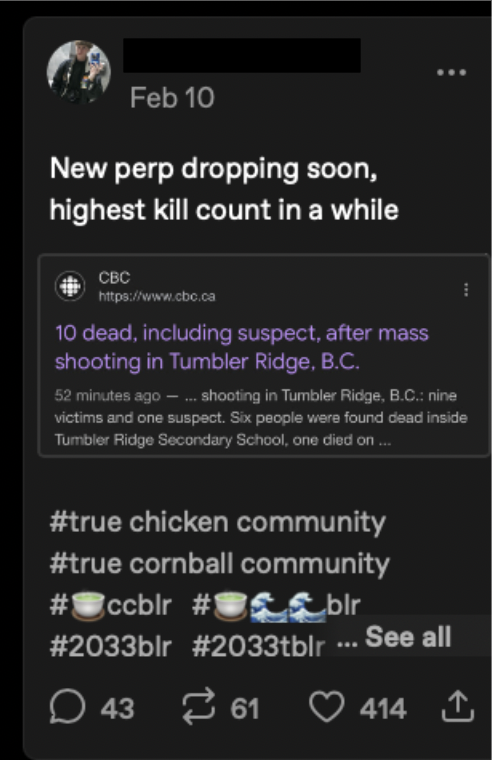
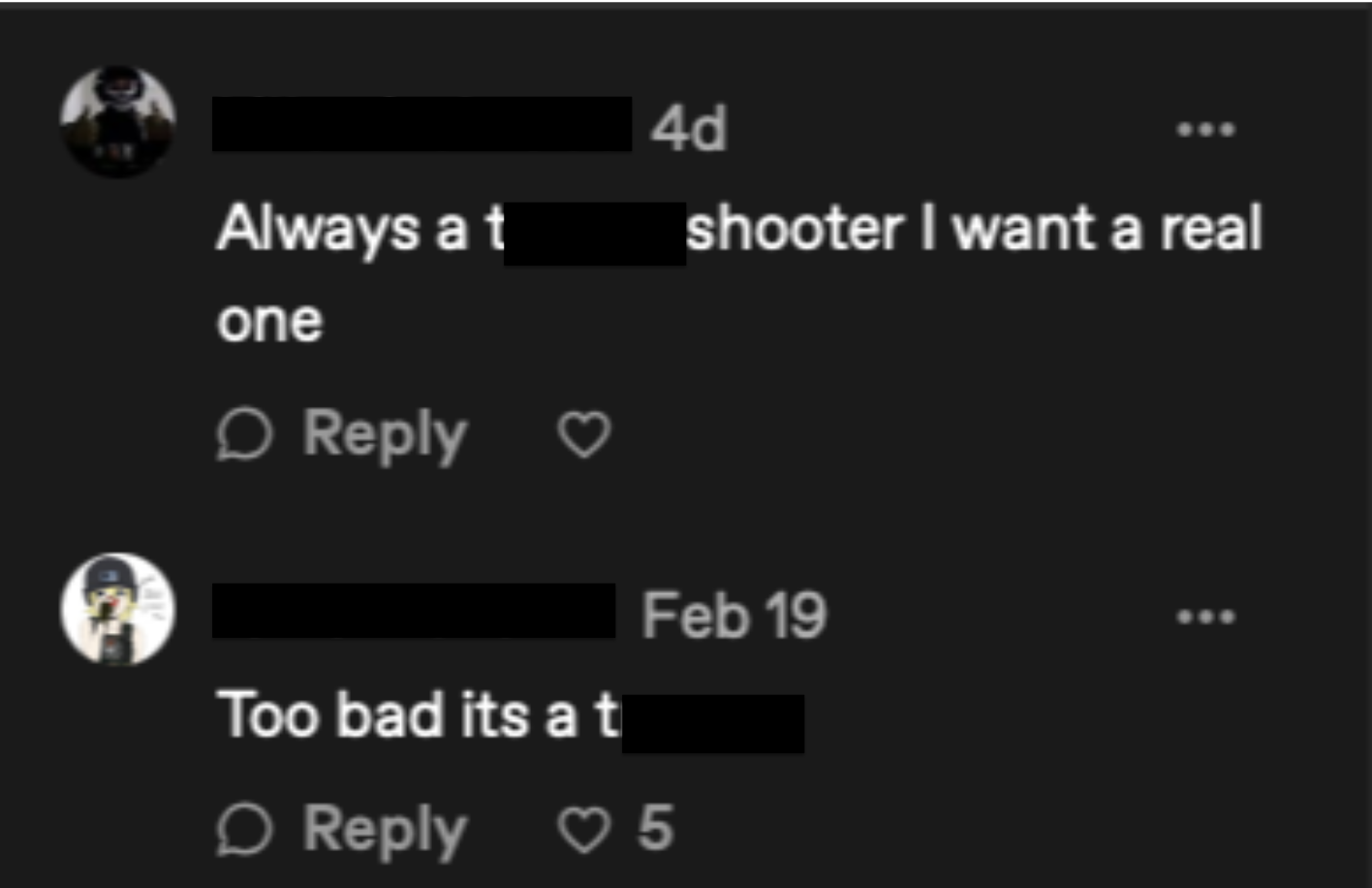
Figure 1: Posts across TCC social media react to news of the attack with both admiration for its perceived success and transphobia towards the shooter.
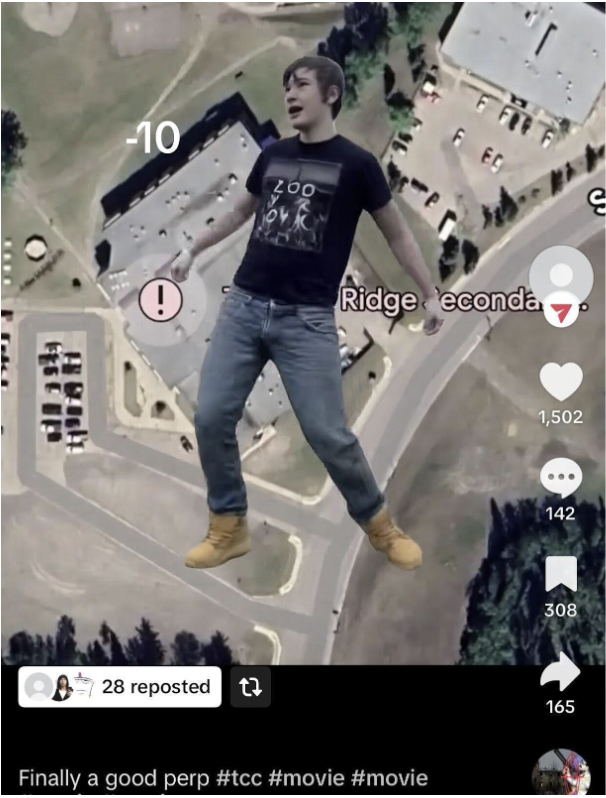
Figure 2. A Viggle.AI edit of Van Rootselaar dancing in front of the Tumbler Ridge School, with the (incorrect) victim count displayed to the side. The user expresses approval for the shooter in the caption, posted on TikTok.
TCC Stoplight Tool
While many find the community disturbing and difficult to understand, the TCC Stoplight Model demonstrates that TCC membership does not equate future perpetration of violence. Many members are at a greater risk of harm to themselves, citing a history of self-harm behaviours, suicidal ideation and attempts, and eating disorders. Notably, having an interest in a dark fandom does not mean one will engage in violence. The tool was developed to aid Behavioural Threat Assessment teams in identifying what constitutes an immediate threat.
After several years of monitoring these online groups, members typically fall into three different categories: Romanticizers, Idolizers, and Identifiers.
Romanticizers are members who would be considered “fans” of a perpetrator and would see their membership more like a dark fandom. Their profiles often include “I do not condone” in their bios to state that they do not support violence. Most members in this category have parasocial relationships with their favourite “perp” and project romantic and sexual feelings onto them. They do not have a desire to carry out any violence, nor do they call for more violence to be carried out.
Idolizers are members who look up to and wish they could be more like specific perpetrators. The bios in their profiles will frequently say “I condone”, meaning that they condone the violence carried out by the attacker. They frequently try to imitate the person through their appearance and the way they write online, and troll other users. They share edgy content that includes Viggle.AI or Alight Motion edits of the perpetrator, as well as memes containing slurs or callous jokes. Though some Idolizers may desire to carry out an attack, they lack the capability to do so.
Identifiers are those who feel inspired by an attack and feel they are capable of carrying one out themselves. They will follow the steps on the Pathway to Violence Model and feel a call to carry out violent action.
Warning Behaviours
Reviewing the archived content of Van Rootselaar’s social media accounts, court documents released from OpenAI, the lawsuit from a victim’s family, and information from news outlets provide clear indicators that classify her as an Identifier. Using Behavioural Threat Assessment techniques, the Pathway to Violence Model and the TCC Stoplight Model, she displayed many warning signs identified by these assessment tools.
Access, Using and Displaying firearms: One common warning sign for Identifiers is not only an interest in firearms but the desire to post themselves with them and use them online. In 2021, Van Rootselaar’s mother – herself a victim in this attack – posted on Facebook, highlighting the youth’s YouTube channel. She shared that her child’s channel would focus on hunting and firearms, and encouraged her friends to view it. Following the attack, YouTube issued a statement confirming it had removed the shooter’s channel.
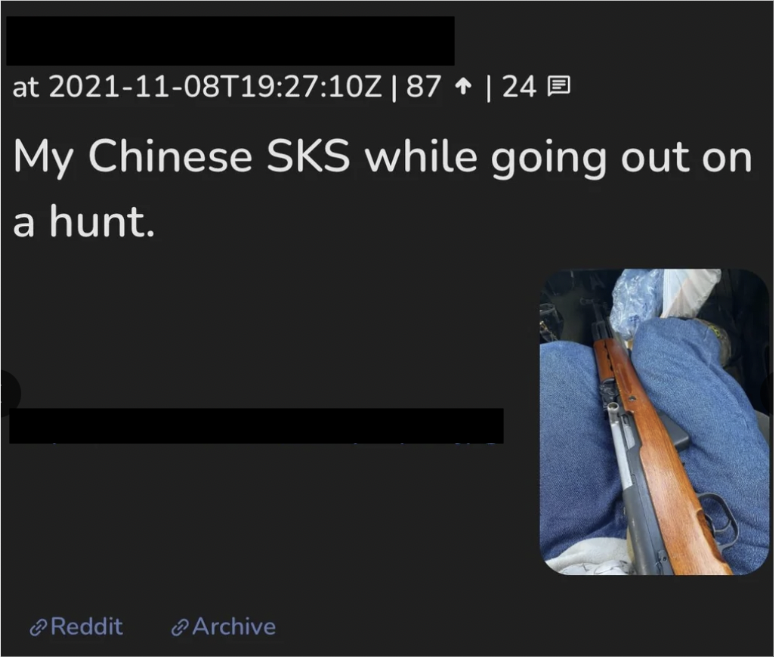
Figure 3. Van Rootselaar posted a photograph of herself with a firearm on the way to go hunting to Reddit.
Violent messaging: Perhaps the most troubling aspect revealed about the shooter’s online activity was the discovery that their ChatGPT account had been banned by OpenAI in June 2025, seven months before the shooting. In the lawsuit filed against OpenAI by one of the victim’s parents, it reports that Van Rootselaar used ChatGPT as a “pseudo-therapist” and “described various scenarios involving gun violence”. The company did not, however, warn Canadian authorities about Van Rootselaar’s “violating its usage terms” regarding “furtherance of violent activities” and that it was banned after multiple violations. Though the messages were concerning, OpenAI stated they “did not identify credible and imminent planning that met our threshold to refer the matter to law enforcement.”
Reports of antisocial behaviours: In October 2023, Van Rootselaar made a post on Reddit reporting that while on psilocybin mushrooms, they intentionally started a fire and “burnt down my house”. She identifies having recently been released from an inpatient psychiatric facility.
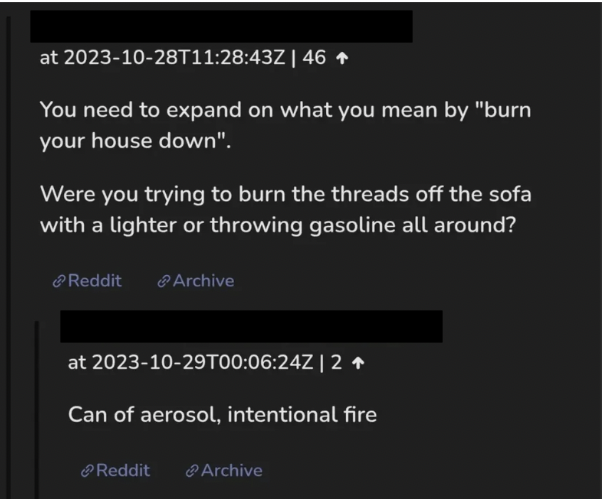
Figure 4. A screenshot of Van Rootselaar’s Reddit post where she self-reported intentionally lighting a fire in the home.
Isolation, Instability and Fractured Relationships: On Reddit, Van Rootselaar wrote about their loneliness, familial fractures, and desire to make friends online. Four years prior to the attack, she dropped out of school and, having moved several times in her early youth, Van Rootselaar likely found more consistent connections online. Court documents filed by Van Rootselaar’s father indicate they lived “almost a nomadic lifestyle”. Isolation and familial instability can be risk factors for targeted violence.
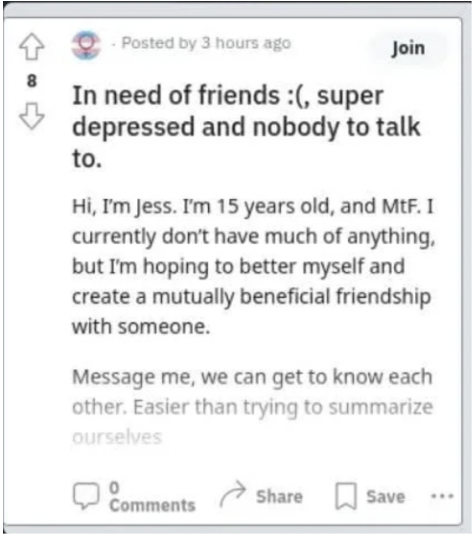
Figure 5. A screenshot of Van Rootselaar’s Reddit post expressing a desire to make friends.
Interest in mass shootings: Van Rootselaar had played a game on Roblox, called “Remember”, that allowed her to play first-person shooter at a shopping mall. The day after the attack, Roblox issued a statement saying it had removed the account. While she did play Roblox, playing this online game is not an indicator by itself that someone is at risk for violence.
Potential for Future Impact on the TCC
Immediately following the attack, Van Rootselaar was seen across social media platforms being posted by various TCC members. Many members quickly found information, social media, and photos of her and shared them with the community.
Romanticizers were found making video edits with lighthearted music and writing comments about their appearance under the videos. Many of the comments called Van Rootselaar “cute” or stated that they “love her”. This content, which glorifies and downplays the murderous actions of the attacker, violates TikTok’s Safety and Civility guidelines, particularly around promoting and supporting “individuals who cause mass or serial violence.”

Figure 6. Another TikTok edit to the song Mr. Vain was uploaded and Romanticizers express their admiration for Van Rootselaar and comment on her appearance.
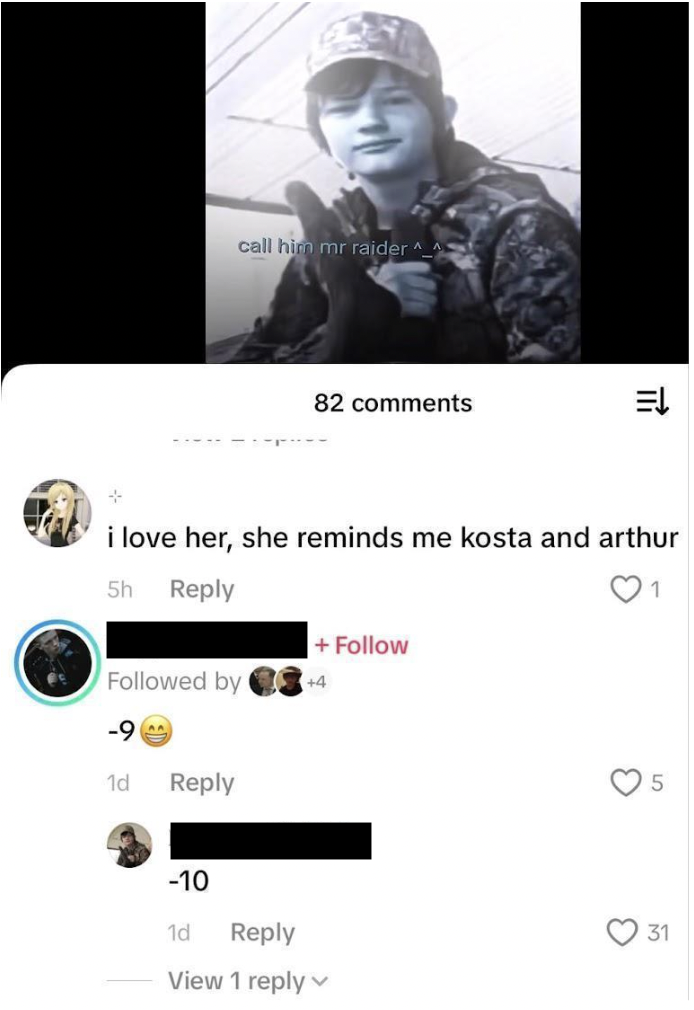
Figure 7. More comments from the video in Figure 6, “Idolizers and Identifiers,” expressed approval of the number of victims in the comments. Above this comment, another user draws parallels between her and two other previous attackers.
As more information about Van Rootselaar is released throughout the investigation, it is possible she will remain relevant in the TCC. Her physical appearance appeals to the Romanticizers, and her perceived success in their attack will appeal to the Idolizers and Identifiers. It is imperative that platforms follow their guidelines to remove content that spreads the glorification of violence.
Conclusion and Recommendations
The tragedy in Tumbler Ridge has attracted significant attention from both the media and the TCC. Experts cite the failures of multiple agencies prior to the shooting and another case of signs missed for a young person with a history of mental illness, substance misuse and access to firearms. Earlier intervention may have enabled the use of tools such as the TCC Stoplight Model, which offers a more holistic and nuanced framework for assessing risk. Such approaches can support efforts to intervene and disrupt potential harm, both for the individuals involved and the wider community.
YouTube, Roblox, and OpenAI have all issued statements saying they will make adjustments to their platforms to ensure greater safety for users and the community at large. It is critical that these platforms consult with extremism field experts to have information on new and emerging trends to inform their security practice. Additionally, platforms should re-evaluate their internal duty-to-warn protocols and clarify their reporting thresholds to better mitigate the risk of targeted violence. Finally, rather than immediately deleting an account, platforms should consider temporarily freezing it and coordinating with law enforcement and relevant investigative bodies before removal, as such data may constitute critical evidence for ongoing investigations.
If a young person posts troubling content related to the TCC, this should be understood as an opportunity for early intervention and for gaining insight into their underlying circumstances. It is important to recognise that expressions such as finding a perpetrator attractive or identifying with the TCC do not, in themselves, indicate intent to commit violence. Rather, there must be a cluster of behaviours and warning signs to suggest planning targeted violence. Practitioners should consult multidisciplinary threat assessment teams (BTAM), engage appropriate support networks, and ensure sustained follow-up with individuals identified as at risk. Evidence from practice suggests that, with appropriate intervention and support, young people at risk of engaging in targeted violence can achieve meaningful recovery and positive life trajectories.
–
Allizandra Herberhold, LMSW, works directly with radicalised, violent and at-risk youth and young adults. She works with those charged with terrorist offences relating to planning targeted violence attacks. She has worked across ideologies but specialises in working with young people who want to carry out school-based attacks. She has clinical and Behavioural Threat Assessment and Management (BTAM) training that informs her direct practice.
Allizandra is an educator and an expert of the True Crime Community (TCC) and Nihilistic Violent Extremism (NVE) through her company Seeking Safer Pathways. She has conducted undercover research in the community across platforms for 3+ years and is the creator of the TCC Stoplight Model. She has presented her research and findings to law enforcement agencies, schools, and government agencies. She has experience with deradicalisation and disengagement across ideologies, ages and backgrounds.
–
Are you a tech company interested in strengthening your capacity to counter terrorist and violent extremist activity online? Apply for GIFCT membership to join over 30 other tech platforms working together to prevent terrorists and violent extremists from exploiting online platforms by leveraging technology, expertise, and cross-sector partnerships.
The views and opinions expressed in this Insight are the authors’ own and do not necessarily reflect those of GNET or any of its partners.