


Violent extremist actors, including Salafi-Jihadists, neo-Nazis, nihilistic violent extremists (NVE), and others, are increasingly adopting artificial intelligence (AI) for novel purposes, including translation, propaganda generation, attack planning, and the spread of misinformation. Yet, the most sophisticated and scalable AI-enabled harms are currently being driven by cybercriminals, and the boundary between these two worlds is eroding. This Insight argues that an accelerating convergence between cybercriminals and violent extremists is enabling the transference of AI capabilities into extremist spaces. This occurs through shared membership in both communities and the development of AI-powered tools for doxxing, harassment, and extortion specifically marketed to extremist communities.
Firstly, we analyse the recent use of AI by both cybercriminals and violent extremists, then describe how crime-as-a-service (CaaS) lowers the barrier of entry for extremists to use AI. This is followed by an analysis of the convergence between extremist and cybercrime ecosystems. Finally, we argue the need for better collaboration between professionals monitoring cybercriminal activity and those analysing extremist movements.
AI Use Across Extremist Ecosystems
Extremist use of AI has primarily focused on areas such as translation, propaganda generation, and, most recently, attack planning. Some researchers have argued that terrorists have adopted AI in “experimental” and “ad-hoc” ways, but this appears to be changing as extremists writ large share information, encourage its use and set up the infrastructure to integrate it into their activities. In June 2025, Islamic State-Khorasan Province framed AI as a morally neutral tool that could be exploited by supporters, offering suggestions and advice on which tools to use. We have also observed the emergence of Salafi-Jihadist Telegram channels dedicated to the study and instruction of AI, posting serialised instructional content on encryption, online data safety, and navigating AI-enabled surveillance. More recently, Islamic State supporters on Rocket.Chat discussed using dark large language models (LLMs), and asking for advice on navigating these tools.
We have also recorded more systematic uses of AI by extremist actors, including sovereign citizens on X and Telegram sharing AI prompts and conversation links, coordinating strategies to extract desired responses from chatbots, and cost-sharing ChatGPT subscriptions. Users identifying as sovereign citizens have also promoted “Freemanbot,” a specialised chatbot designed to provide sovereign citizens with legal advice. A chatbot cannot provide sound or ethical legal advice, potentially facilitating conflicts with the judiciary that feed into users’ sense of victimhood and grievance.
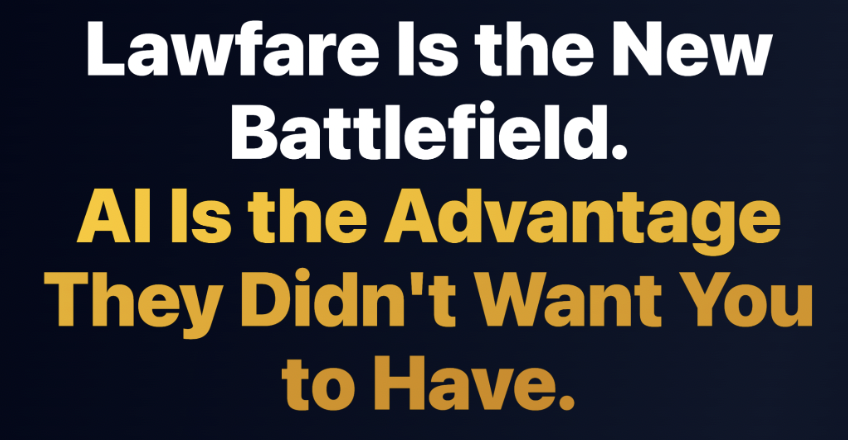
Figure 1. Screenshot of the Freeman Bot website, marketed as an AI chatbot for sovereign citizens.
4chan has also emerged as a hub to share advice and information on leveraging generative AI to produce non-consensual intimate imagery (NCII). We have observed users taking requests to produce this content and sharing guides and tools to bypass LLM guardrails. Viewed together, these examples point to growing literacy and organisation in extremist actors’ use of AI across the ideological spectrum. However, as the following section will detail, extremist actors in general remain significantly behind their cybercriminal counterparts in the sophistication and scale of AI adoption.
Cybercriminals Outpace Extremists in AI Adoption
Cybercriminals are more consistently leveraging AI for wide-ranging and impactful cyberattacks. In February 2026, it was revealed that a small group of independent, unsophisticated hackers stole hundreds of millions of Mexican government records using Claude and ChatGPT. The hackers easily bypassed LLM guardrails by posing as penetration testers. The attackers used frontier AI models to identify vulnerabilities and critical assets, bypass defences, and build tools that were used in the attack. Researchers emphasised that the hackers lacked state backing and, while displaying some knowledge of cybersecurity, were relatively unskilled compared to other cyber-threat actors.
Cybersecurity firm CrowdStrike found a 89% year-over-year increase in attacks by AI-enabled adversaries in 2025. Cybercriminals are using AI in a variety of ways, including social engineering, generating deepfakes, and creating malware, with modestly resourced criminals benefiting the most from AI use. Methods and tools for jailbreaking both large and small LLMs are frequently shared in online cybercriminal communities: Flashpoint identified a 1,500% rise in discussions of using AI for malicious purposes from November to December of 2025. While cybercriminals are more advanced in this area, past attacks by extremists and research have shown how easily safeguards can be bypassed. Using AI for harm often requires only social engineering of models and knowledge of how to bypass tech safeguards. Extremists have extensive experience in both areas, being adept at recruitment, radicalisation, and extortion, while also evading content moderation efforts by some of the world’s largest tech companies.
How CaaS Lowers the Barrier of Entry to AI-Enabled Harm
Using AI requires some technical skills, but cybercrime-as-a-service (CaaS) lowers the barrier of entry for those with malicious intent. CaaS is already providing low-skill actors with tactics, techniques and procedures (TTPs) that can be used for terrorist purposes. On 7 March 2026, a posting on a forum for discussing hacking offered an AI-enabled automated calling system, pitched as “based on the latest academic research in social engineering psychology and AI-driven behavioral analysis.” The tool allegedly automates calls and conversations with individuals and then provides a post-call analysis that ranks targets by how likely they are to fall for scams.
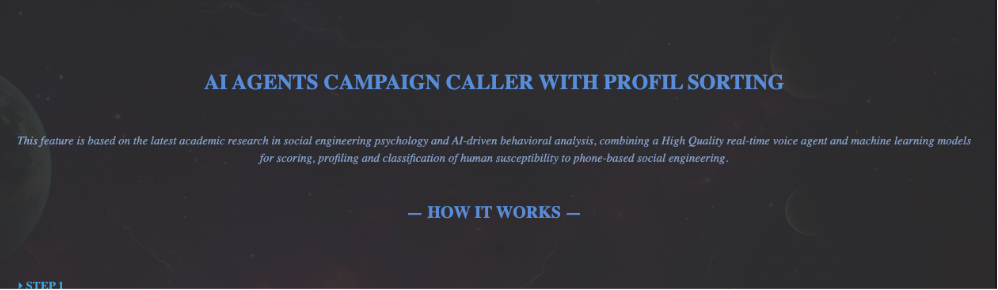
Figure 2: Partial post of the tool being advertised on a prominent hacking forum.
These tools could be used by violent extremists for recruitment, harassment campaigns, propaganda efforts and the automation of swatting attacks. In another example, cybercrime group Storm-2139 exploited exposed credentials to develop tools and bypass Microsoft’s Azure OpenAI service guardrails. These tools and access to Microsoft accounts were then sold to other actors, along with detailed instructions on how to use them to generate NCII of celebrities. While CaaS provides one point of entry for terrorist groups and extremists, there is also an increasing convergence of cybercriminal and extremist networks, exemplified by the Com network.
The Cybercrime-Extremist Convergence: Shared Membership
While violent extremists and cybercriminals often have different motivations, compositions, and goals, there exists some overlap that serves as a bridge in the transference of AI-enabled TTPs. Sextortion groups like 764 form a larger part of the Com network, which also includes cybercriminals. Individuals engaged in both cybercriminality and violence have overlapping membership in both networks.
One guide that has been circulating in Com spaces for years lists cybercriminal activities such as card skimming alongside “step-by-step” instructions for extortion and grooming. A compilation guide shared on 4 March 2026 in a monitored Nihilistic Violent Extremism (NVE) Telegram channel includes instructions on bomb construction and carrying out mass shootings. Further, it provided instructions for extortion, swatting, distributed denial-of-service (DDoS) attacks, using crypto and the dark web, stealing passwords, and avoiding law enforcement online.
Members of some of the most prolific and successful cybercrime groups, such as Scattered Spider and LAPSUS$, are also members of NVE groups. Other cybercriminals have also engaged in activities favoured by NVE actors, including swatting, engaging in violence-as-a-service, doxxing, and using AI-generated non-consensual intimate images to harass perceived enemies. A December 2025 Telegram post by the Com cybercrime supergroup Scattered LAPSUS$ Hunters exemplified the cybercriminals’ influence within the broader Com network, stating, “We are the supply and demand for the Com.” This statement demonstrates that cybercriminals are integral to the Com network, providing technical capabilities while also acting as consumers of harmful or illegal content.
AI Tools Marketed to NVE Communities
In our own research, we have documented the promotion and selling of AI-enhanced cybercrime tools in NVE spaces by actors active in both cybercriminal spaces and NVE spaces. Users are offering purpose-built AI-enhanced tools and services to facilitate doxxing, produce child sexual abuse material (CSAM), carry out swatting attacks, and other criminal uses with built-in anonymity features. In a recent example, a Com Telegram channel advertised a “partnership” with a tool in development that allows for “tracking illegal funds [cryptocurrency] to keep your assets secure,” an AI chat assistant which automatically scans databases to find “victims,” and AI agents that allow you to “control malware on the victim’s PC.”
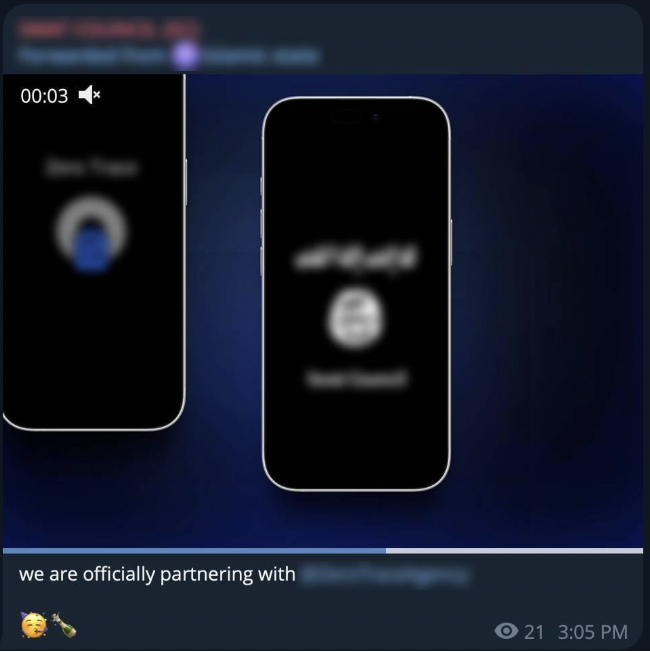
Figure 3. Telegram post by an NVE group using a variation of the Islamic State flag to advertise their partnership with an AI tool developer.
We also identified a tool promoted on NVE Telegram channels that its creators pitched as having the ability to “dox in seconds.” The current website version of the company appears indistinguishable from other software-as-a-service companies, with a tiered pricing structure, a member sign-in page, and marketing materials on the effectiveness of the tool. A previous version of the website reveals its connection to NVE networks: the administrator of a Com Telegram channel engaged in sextortion was previously listed as a contact on the website, highlighting the commercialisation and professionalisation of technical tools being marketed by individuals with cybercrime expertise to extremist communities.
Notably, these offensive cyber tools are being developed by individuals involved in extremist groups, specifically advertised through Com-linked networks, and marketed for use in NVE activity rather than solely for financial gain. These efforts are promoted and spread within NVE networks through giveaways, free access to the tools, and other financial incentives. This facilitates the transfer of AI-enabled TTPs from cybercriminals to NVE communities, while simultaneously lowering the barrier to entry for sextortion, doxxing, and other activities by making cyber capabilities commercially available to actors who might otherwise lack the technical skills to develop them.
The Need for Greater Collaboration
The cybercrime-extremism convergence detailed in this Insight is evolving faster than our institutions are designed to understand and address the harms they cause. Academic research is, by its nature, slow-moving, and while AI companies move quickly, distinct hiring tracks and policy enforcement areas suggest that cybercrime- and extremism-related functions operate largely in parallel, with little overlap. Moreover, AI companies’ published misuse reporting has focused predominantly on cybercriminal actors, with the convergence between cybercriminal and extremist misuse and the transfer of AI-enabled tactics between the two communities remaining largely unaddressed.
Neither academic research nor AI companies are currently built to tackle this cross-cutting problem that demands adaptability and responsiveness — and the stakes of this issue make that gap hard to ignore. In the past five years, at least 5,040 individuals or entities have been damaged, harmed, victimised, or killed in cases relating to the Com network, a figure which likely represents a significant underestimation. Documented harms include online child sexual exploitation, sextortion, coerced suicide, animal torture, and incitement to vandalism, arson, and murder. Com-linked actors and their activities often cannot be fully assessed by a cybercrime or extremism analyst working in isolation.
The Sovereign Citizen case illustrates a related dynamic: AI tools that simultaneously validate anti-government beliefs and generate pseudo-legal arguments implicate both fraud and extremism-related threat assessments, including Behavioural Threat Assessment and Management (BTAM) considerations around grievance escalation and violence risk. These cases require expertise from multiple fields, and no professional is perfectly positioned to evaluate alone.
A meaningful response to this convergence requires collaboration at multiple levels. Within AI companies, convergence-specific reporting that explicitly addresses both cybercriminal and terroristic misuse would be a meaningful step forward. Cross-sector bodies like GIFCT are well-positioned to provide guidance on facilitating this kind of reporting, given their existing infrastructure for bringing together platform trust and safety teams around signal sharing.
Within government institutions, fusion centres represent the most natural institutional home for bridging this gap between cybercrime and extremism. Originally established after 9/11 to facilitate information sharing between federal, state, and local agencies for terrorism prevention, many have since expanded to cover cybercrime, and larger centres now maintain dedicated teams across both domains. Fusion centres were built to break down institutional silos, and the infrastructure they developed for that purpose is directly applicable here. Many larger centres already provide the collaborations and connections that are critical for intelligence professionals adapting to disruptive technologies like AI. The task is therefore to build on what’s already working: by formalising joint assessment protocols at larger centres, replicating and scaling approaches across the national network, and leveraging convenings and training opportunities to bring smaller centres into that practice. There is also an opportunity to invite academic and public-sector researchers interested in intelligence applications, thereby building the kind of sustained analyst-researcher exchange that other institutional contexts can struggle to produce.
–
Yuri Neves is a Research Manager at Moonshot, where he leads a threat intelligence team tracking recent trends across neo-Nazi, Salafi-Jihadist, and nihilistic violent extremist spaces online. His work examines how emerging technologies are being exploited by extremist and criminal networks. Before joining Moonshot, he was an analyst at the Middle East Media Research Institute. He holds a Master’s degree in Security Studies from Georgetown University.
Emily Klein, Ph.D. is a researcher and project manager at Moonshot, where she produces insights on targeted violence and the online environment. She oversees systematic monitoring of online spaces to identify threats and trends for government, civil society, and private sector partners, and publishes research at web science and computational social science venues. Prior to Moonshot, she was a faculty member at the University at Albany, SUNY, conducting research and teaching courses on terrorism, counterterrorism, and the psychology of violence.
–
Are you a tech company interested in strengthening your capacity to counter terrorist and violent extremist activity online? Apply for GIFCT membership to join over 30 other tech platforms working together to prevent terrorists and violent extremists from exploiting online platforms by leveraging technology, expertise, and cross-sector partnerships.
The views and opinions expressed in this Insight are the authors’ own and do not necessarily reflect those of GNET or any of its partners.